
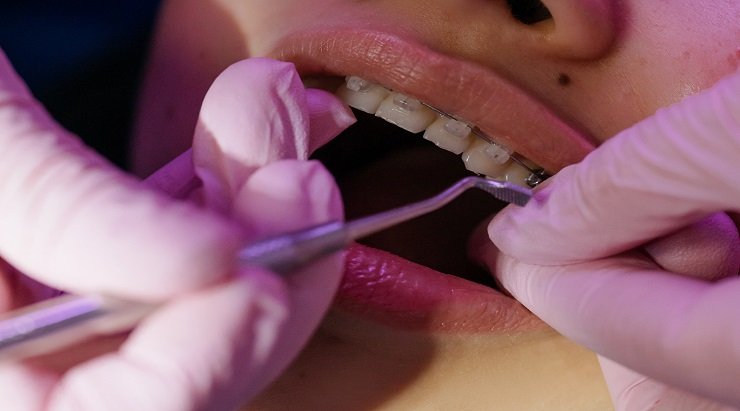
Preventive dental care integrates things, for example, official registration, screenings, and vaccinations. It may be taken care of by remaining budget sharing when you visit a dental surgeon. This kind of care may help you get health issues before they get to be not kidding. Please discuss with your doctor what they have to administer to you. Let's look at the best treatments to facilitate preventive dental care.
How to Facilitate Preventive Dental Care
Sealants
Brushing and flossing are extraordinary approaches to avoid depression; it's not simple to clean each niche and crevice of the teeth, only the one tooth you use in biting (molars). Molars are a most loved place for depression, making microscopic organisms cover up.
Still, there is one more security to maintain the teeth dirt free. It's a sealant. It's a lean and protective cover of plastic or new dental matter that sticks to the biting surface of your back teeth. They're not a viable replacement for brushing, and they can maintain holes from framing and even prevent early rot phases from turning into the cavity. Besides, sealants decrease the threat of rot by about 80 percent in molars. It is imperative for your tyke's dental welfare.
Sealants function
Consider them waterproof shells for the teeth. At the point when the carrack accompanies microorganisms to live in everybody's mouth meets excessive particles, they deliver acids, which create gaps in teeth. These are pits. After applying, the sealant keeps those foodstuff particles from inhabiting the teeth to keep you perfect.
Root Canal Therapy
A root canal is a treatment to repair a contaminated tooth. The techniques include:
- Expelling the defective part of the tooth (the mash).
- Cleaning and sterilizing it.
- Filling and fixing it.
It affects the mash in a split tooth, a deep cavity, dental Treatment to the tooth, or injury. The expression "root trench" creates by cleaning the waterways into the tooth's root.
During the root canal, the Dentist usually removes the tainted mash, cleans and sanitizes it, then fills and fixes it with elastic-like material called gutta-percha. The tooth is re-established with a crown or serving for security a while later.
A soft tissue called the mash is under the white veneer in the tooth, and a hard layer is called the dentin. The mash contains veins, nerves, and connective tissue, increasing your teeth' recovery. The tooth can make without the mash in a wholly created tooth because it keeps being fed by the tissues enclosing it.
Supposed to jokes about the matter, present-day endodontic Treatment is extensive, the same as having the best filling.
Extractions
If a tooth has been broken or rotated, your dental surgeon will attempt to alter it with a filling, crown, or other dental Treatment. If you need an extraction, your dental practitioner will first numb the place to prevent irritation and expel the tooth to its attachment to the bone. After the extraction, your dental practitioner will educate you on the present extraction. Your mouth will slowly fill in the bone where the tooth root was through blood coagulation.
Tooth Removal Procedures
There are two kinds of extractions:
A simple extraction is one of the best techniques for a tooth in the mouth. At that point, the dental specialist utilizes forceps to evacuate the tooth.
A surgical extraction is an effective technique dentists use if a tooth has suffered severe damage at the gum line in the mouth. The oral surgeon will make a little cut into your gum to surgically evacuate the broken tooth or affected sharp tooth.
Scaling and Root Planing
Root scaling with the best approach to treating gum infection before it becomes severe. Root planning and scaling clean the gums and the teeth down to the roots. Your dental practitioner may need to use a hypnotic to numb your gums and the branches of your teeth.
A few dental practitioners and hygienists will use an ultrasonic device for planning and Scaling. That device is not so uncomfortable as an excellent scratching device, but not all cleanings need this machine.
Your dental practitioner may put anti-toxin strands into the pockets between your teeth and gums. The anti-biotic will speed up the curing process. The dental surgeon expels the strands around one week after the Treatment.
What's in store After Treatment?
If the Dentist uses anesthesia, your lips and gums may stay numb for hours. Planning and Scaling can cause irritations.
Why is it done?
Dentists use Root planning and Scaling when gums have started to pull far from the teeth or the branches of the teeth have hard mineral stores (tartar) on them.
How Well It Works?
If you keep up great dental care after the system, the movement of gum illness to stop. What's more, your gums will turn out to be firm. It includes vaccination, lab tests, physical exams, and solutions. Demonstrative services help your surgeon to understand the side effects or analyze your disease.